What makes shiitake mushrooms so special?
The shiitake (Lentinula edodes) is the second most cultivated mushroom on the planet and one of the most prized in Asian cuisine for over two thousand years. Its name comes from the Japanese: shii (a type of evergreen tree) and take (mushroom). In China it is known as xiānggū, the 'fragrant mushroom', an apt description of its intense, earthy aroma.
Origin and history: from Chinese imperial medicine to fine dining
The earliest records of shiitake cultivation date back to the Song Dynasty (960-1279 AD), when agronomist Wu Sang Kwuang documented inoculation techniques on wooden logs. For centuries, shiitake was considered a medicinal food reserved for the imperial court. Today it is grown in Japan, China, Korea and increasingly across Europe, where its popularity continues to rise thanks to its culinary versatility and well-documented nutritional properties.
Shiitake and open fire: a combination that amplifies umami
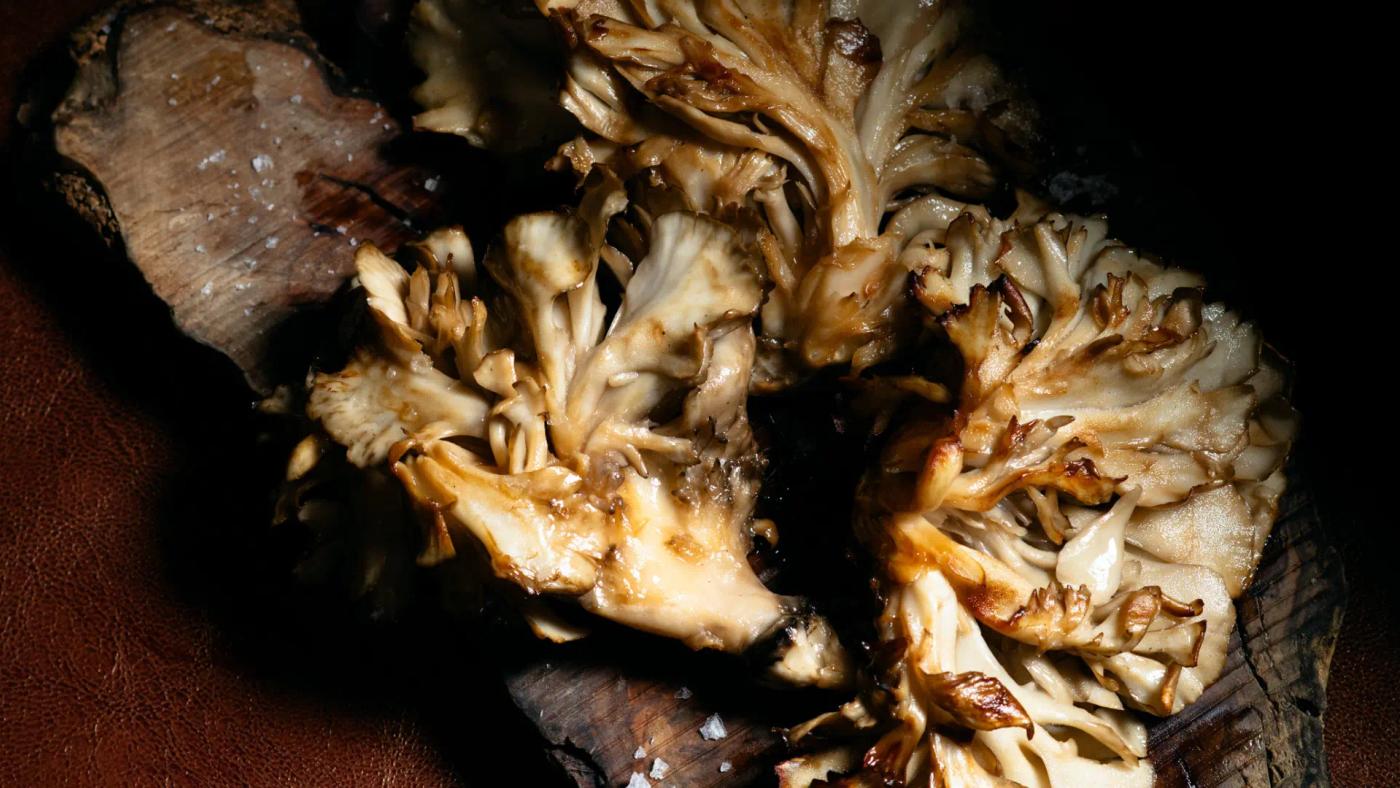
Shiitake is naturally rich in umami, the fifth basic taste, thanks to its high glutamic acid content (same component as caviar). When cooked over an open flame, the high temperatures trigger the Maillard reaction, caramelising the surface sugars and concentrating the flavours. The result is a mushroom with a crispy exterior, juicy interior and a deep flavour that pairs beautifully with proteins.
At Carnal Steakhouse we harness this synergy in our grilled salmon with shiitakes: the fatty richness of the salmon complements the earthy intensity of the mushrooms, and both ingredients benefit from the subtle smokiness of our wood-fired grill. A dish that proves there is much more to our menu than just meat.
If you want to discover how the grill transforms shiitake, book your table at Carnal Steakhouse and come taste it at Enric Granados 52, in the heart of Barcelona's Eixample district.